
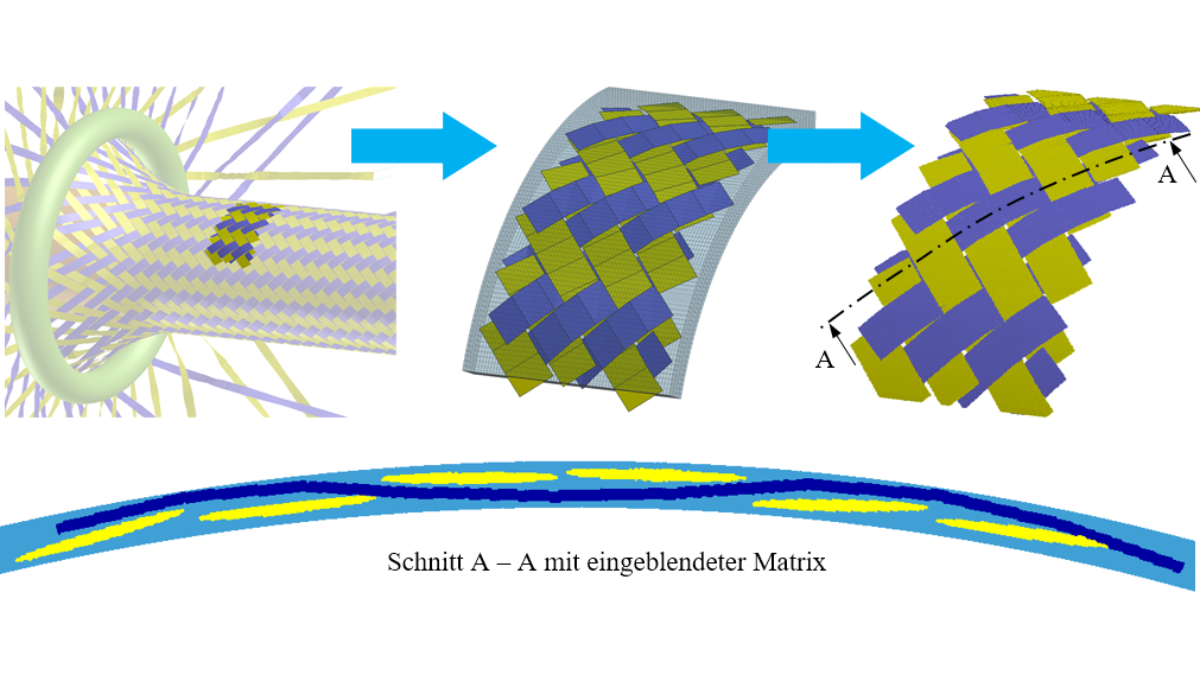
Virtual material characterisation derives the necessary parameters of the respective material for structural and process simulation from digital material modelling. The more accurately the material or textile architecture is virtually represented, the closer the predicted material properties are to the actual material behaviour. This reduces complex material characterisation tests to a minimum, resulting in lower costs, less time and less material. Examples of this are permeability and pore prediction during the infiltration process and stiffness and strength prediction for structural simulation. The various modelling approaches include microscopic, mesoscopic and macroscopic perspectives and enable the prediction of material behaviour without prior experimental testing.
Research topics
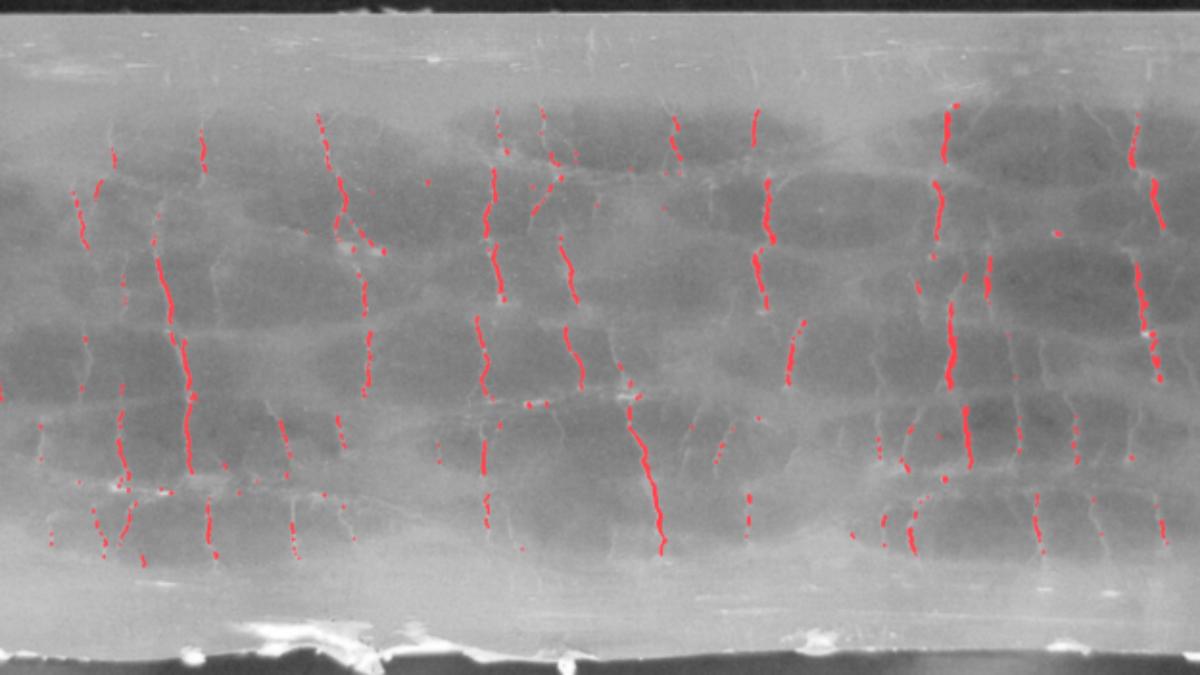
- Residual strength-based fatigue characterisation
Determination of residual strength due to fatigue loading using AI-supported in-situ image processing and simulation - Rapid material description using artificial intelligence
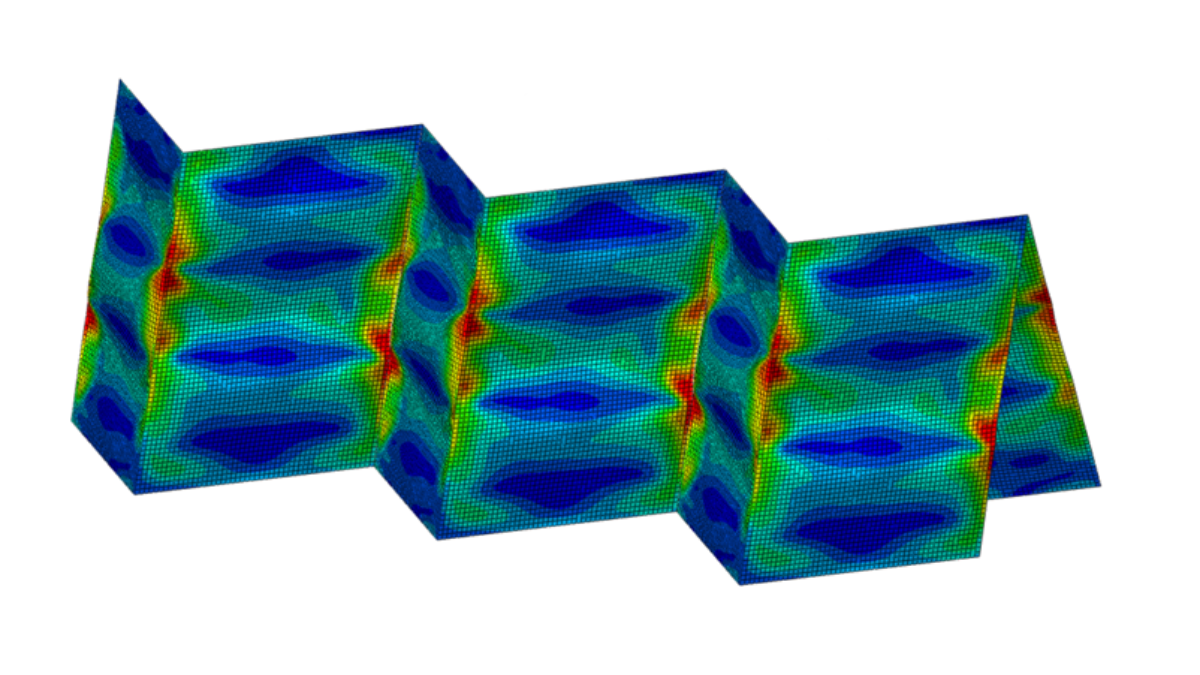
Intelligent, automated and rapid initial estimation of material properties for CAE - Virtual folding core characterisation
Virtual folding core characterisation for the design of complex sandwich structures - Virtual multiscale permeability determination
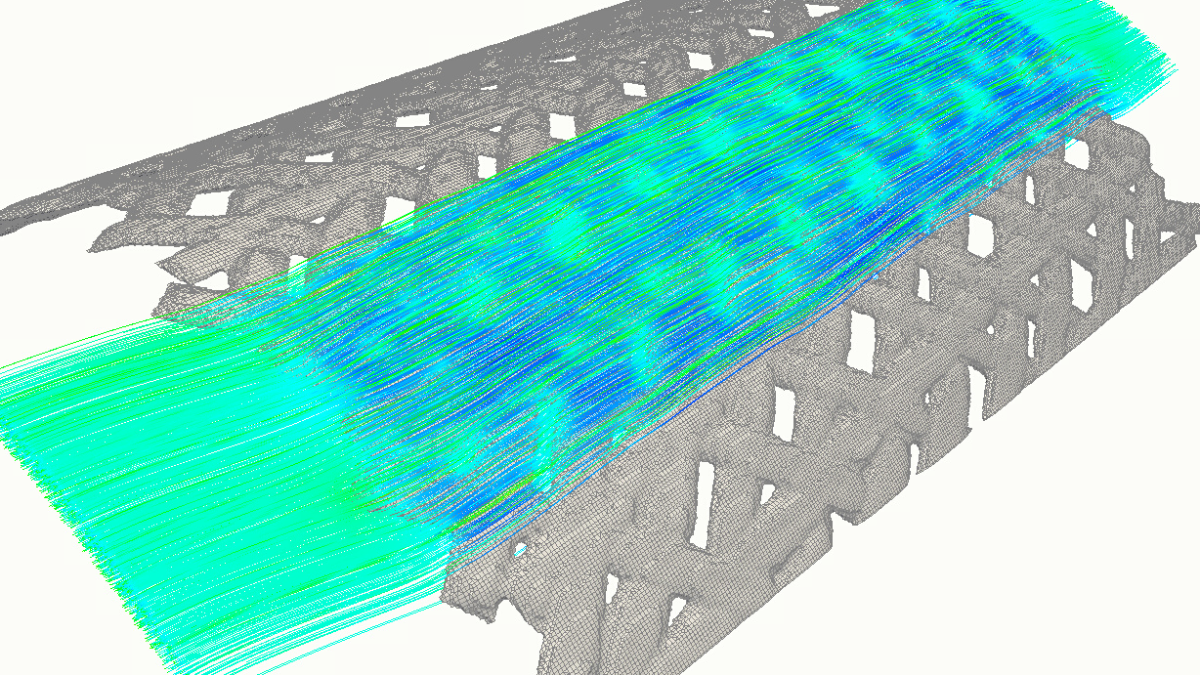
Mapping of infiltration effects on different scales with microscopic and mesoscopic effects
Team
Gruppenleiter
Michael May
Dr.Deputy Head of Department Lightweight Design & Simulation